
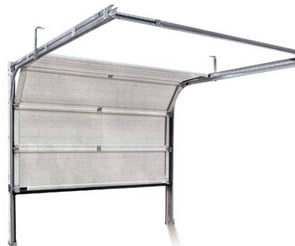
Overhead Doors
Overhead Doors; When it comes to functional and space-saving solutions for commercial and residential spaces, they have proven to be a game-changer. These versatile doors offer a range of benefits that go beyond just being an entry and exit point. In this comprehensive guide, we’ll dive into the world of doors, exploring their types, advantages, and essential maintenance tips.
Types of Overhead Doors
- Sectional Doors: These doors are constructed in horizontal sections that roll up vertically. They are a popular choice for both residential and commercial spaces due to their space-efficient design and smooth operation.
- Rolling Steel Doors: Ideal for commercial and industrial settings, rolling steel doors consist of interlocking slats that roll up into a coil. They provide robust security and are often used in areas where durability is essential.
- High-Speed Doors: Designed for environments that require frequent opening and closing, high-speed doors offer rapid operation, which helps regulate temperature, control traffic flow, and improve energy efficiency.
- Fire-Rated Doors: These doors are engineered to provide fire resistance, making them crucial for buildings that require compartmentalization to prevent the spread of fire.
- Aluminum Glass Doors: Offering aesthetic appeal and visibility, these doors are popular in commercial spaces, such as showrooms and restaurants, where natural light and a modern look are desired.
Benefits of Overhead Doors
- Space Efficiency: doors open vertically, maximizing the available space both inside and outside the building. This is especially advantageous in tight spaces.
- Security: Commercial doors, especially rolling steel doors, provide robust security against unauthorized access and intruders.
- Energy Efficiency: Well-insulated overhead doors help regulate indoor temperatures, contributing to energy savings by reducing the strain on heating and cooling systems.
- Versatility: With various types, materials, and designs available, overhead doors can be customized to suit different architectural styles and functional requirements.
- Durability: Overhead doors are constructed to withstand the rigors of daily use, making them a long-lasting investment for any property.
Maintenance Tips for Overhead Doors
- Regular Inspection: Schedule routine inspections to identify signs of wear and tear, such as frayed cables, misaligned tracks, or damaged panels.
- Lubrication: Apply lubricant to moving parts, including hinges, rollers, and tracks, to ensure smooth operation and prevent friction-related damage.
- Keep Tracks Clean: Clear debris and dirt from the tracks to prevent obstruction and maintain proper alignment.
- Balance and Alignment: Periodically check the door’s balance and alignment to ensure it opens and closes evenly. An imbalanced door can strain the motor and components.
- Weather Seals: Replace weather seals as needed to prevent drafts, dust, and pests from entering the building.
- Professional Servicing: Engage a professional service to perform comprehensive maintenance and repairs at least once a year to catch potential issues early.
Conclusion
Overhead doors have revolutionized the way we think about entrances and security solutions. Their versatility, space-saving design, and numerous benefits make them an excellent choice for both residential and commercial spaces. By understanding the different types of overhead doors, harnessing their advantages, and adhering to proper maintenance practices, you can ensure that your overhead doors remain functional, secure, and visually appealing for years to come.

0 Comments